
What Does OSHA Actually Require for Handwashing?
The rule people misquote most is 1926.51(f)(1). It does not apply to every job site in Arden-Arcade. It kicks in specifically where crews apply paints, coatings, herbicides or insecticides, or work around similar contaminants, and it requires washing facilities in those cases. That is different from general toilet and water access, which falls under OSHA 1926.51(c) for toilet counts and OSHA 1926.51(a)(1) for potable water supply. Once you have washing facilities in place, 29 CFR 1910.141(d)(2) governs how they are equipped: soap, plus towels or a hand-drying device. Hand sanitizer does not satisfy that standard, even though plenty of crews assume a wall-mounted bottle covers them. If your site handles agricultural labor instead of construction, OSHA 1928.110 applies instead, calling for one water and handwashing facility per 20 workers within a quarter mile walk. We help Arden-Arcade contractors sort out which standard actually governs their site before delivery, not after an inspector asks. Check the handwashing station rental page for unit options that meet these specs.
How Many Handwashing Stations Do I Need?
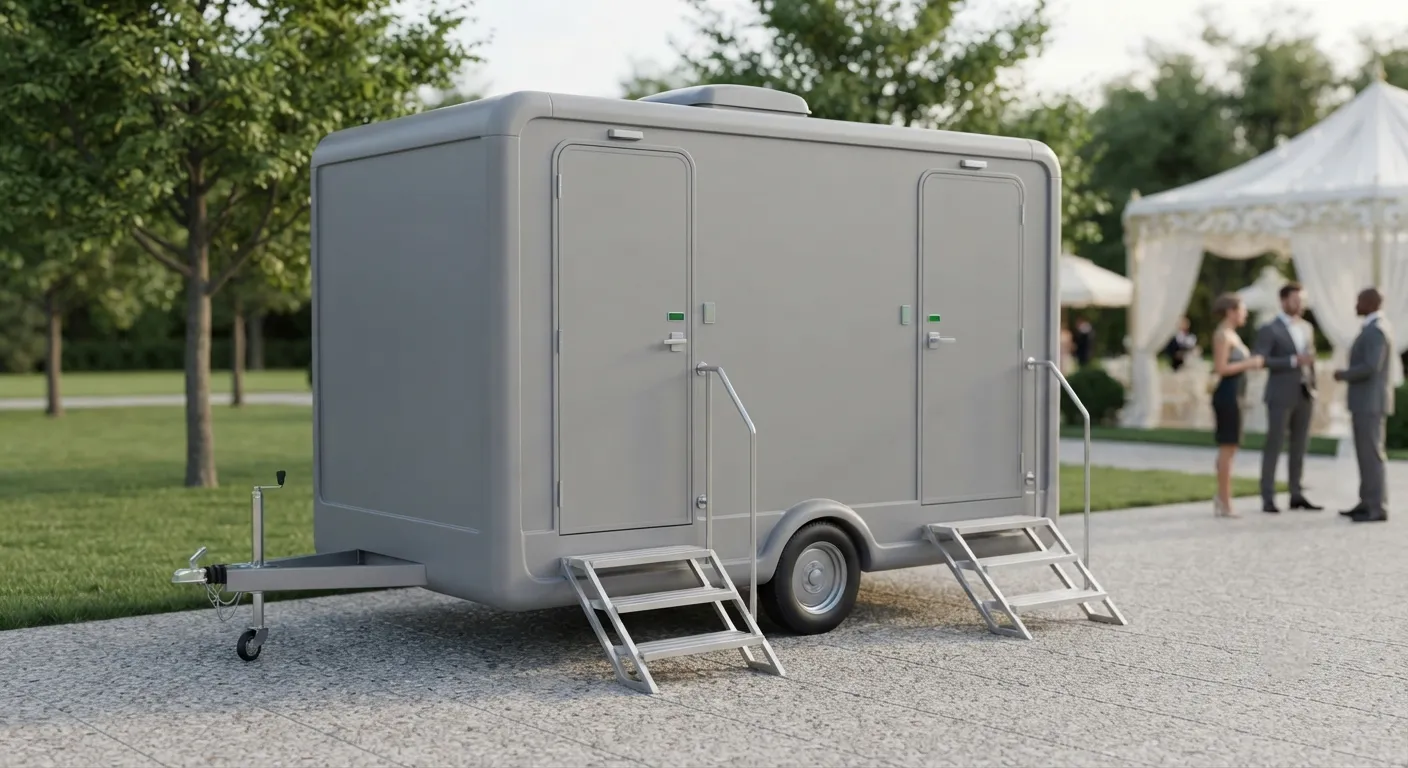
Match stations to worker count and site layout, not guesswork. A single-crew job of 15 people on a residential remodel needs less than a commercial build with 80 tradespeople across multiple trailers. For portable toilets on the same job, OSHA 1926.51(c) sets the baseline: one toilet for 20 or fewer workers, one toilet seat and one urinal per 40 workers from 20 up, and one per 50 once you pass 200 workers. Handwashing stations typically pair one-to-one with toilet clusters on most Arden-Arcade sites we service, especially where portable restroom rental units sit close to break areas. If your crew works with the contaminants named in 1926.51(f)(1), add stations near the mixing or application area itself, not just at the crew trailer. Our how many porta potties do I need guide walks through the toilet math in more detail, and the same worker-count logic applies to sink placement. Spacing matters as much as count: stations parked 200 feet from an active pour do not get used.
Where Should Stations Be Placed on Site?
Placement drives compliance more than unit count does. ADA Standards section 403.5.1 calls for a 36 inch clear route to any accessible unit, and section 405.2 caps ramp slope at 1:12 if you are bridging a curb or uneven grade. Ground surfaces need to be stable and slip resistant under section 302.1, which rules out setting a station on loose gravel or soft turf after rain. If you are clustering multiple portable toilets alongside handwashing stations, ADA Standards 213.2 requires at least 5 percent of units to be accessible, and never fewer than one, so pair your ADA accessible porta potty unit with an accessible sink station in the same cluster. Reach and operability matter too: section 308.2.1 limits forward reach to 48 inches high and 15 inches low, and section 309.4 requires controls usable with one hand and under 5 pounds of force. We site units for crews across Arden-Arcade and as far out as Rosemont, 4.9 miles southeast, using the same placement logic on every job regardless of distance. For general site layout beyond sinks, our porta potty placement guide covers the full picture.
Do I Need Handwashing Stations for a Small Job?
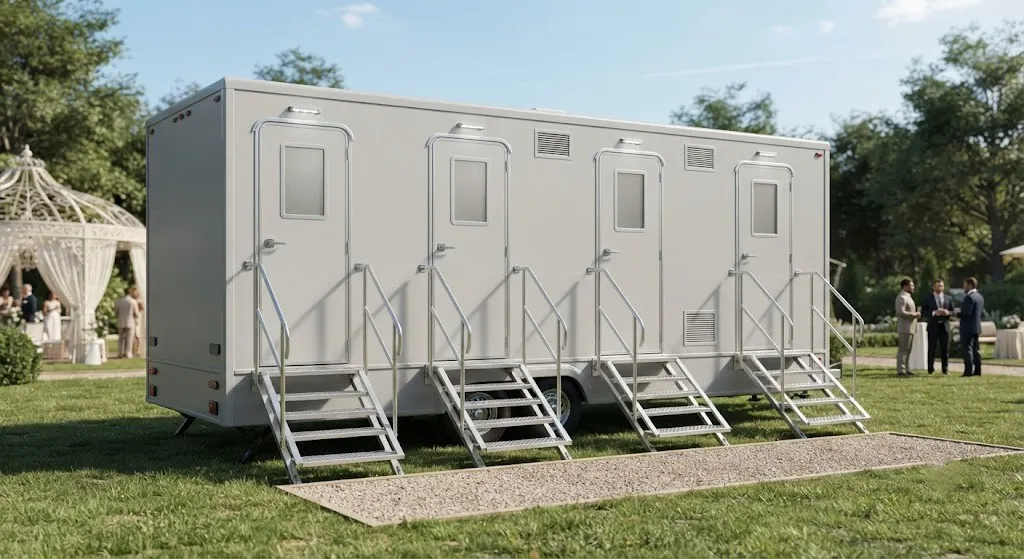
Yes, even a short residential job needs one if OSHA's contaminant conditions apply, or if you want baseline sanitation for a small crew. A one-day paint job in Arden-Arcade still triggers 1926.51(f)(1) if herbicides or coatings are involved, regardless of crew size. For jobs without those contaminants, general sanitation under 1926.51(c) still expects potable water access per 1926.51(a)(1). We deliver single-unit setups for home renovation porta potty jobs and pair them with a compact sink when the scope calls for one. Event work follows different logic entirely: a wedding or backyard gathering does not fall under OSHA construction rules, but guests still expect a working sink near the restroom trailer. Our event restroom rental and wedding restroom rental pages cover that use case, and our portable sink rental option works alongside either.
Frequently asked questions
Does hand sanitizer count as a handwashing station?
No. 29 CFR 1910.141(d)2) requires soap and towels or a hand-drying device at a washing facility; a sanitizer dispenser alone does not meet that standard. If your site needs a compliant setup, look at our hand sanitizer station rental page for how we pair sanitizer with actual sink units, not instead of them.
What is the difference between a handwashing station and a portable sink?
Not much in practice: both need running water, soap and towels to meet 29 CFR 1910.141(d)(2). Our portable sink rental units work as standalone handwashing stations on construction sites, food service setups or events across Arden-Arcade.
Do agricultural sites have different rules?
Yes. OSHA 1928.110 governs field sanitation for hand-labor agricultural work, requiring potable water and handwashing access at one facility per 20 employees, reachable within a quarter mile. See farm and agricultural restrooms for paired restroom and sink setups.
How fast can I get a station delivered?
Most Arden-Arcade deliveries happen within a day of booking, sometimes sooner for urgent jobs. Check emergency porta potty rental if you need same-day service for an inspection deadline or crew start date.
Can I rent a handwashing station without a toilet?
Yes, standalone sink rentals are common for smaller jobs or added handwash points near paint or chemical work. Pair it with your existing standard porta potty rental setup or request a quote through our request a quote page.
Next step
Get a delivery date
Tell us the address, the dates and the headcount. We size the order and confirm the route.